Water has an incredible ability to transform outdoor spaces. When seamlessly integrated into residential landscape design, water features can elevate the aesthetic appeal, create a soothing atmosphere, and even improve property value. Whether you are considering a tranquil pond, a lively fountain, or a sleek waterfall, understanding how to incorporate these elements into your home landscaping is key to achieving harmony in your outdoor environment.
The Appeal of Water Features
Water features serve as focal points in garden landscaping, drawing the eye and creating an inviting ambiance. The sound of flowing water can mask urban noise, providing a soothing backdrop that promotes relaxation. For many homeowners, the mere presence of water instills a sense of tranquility and connection to nature.
Moreover, water features can enhance biodiversity. Ponds and streams can support various forms of wildlife, including birds and beneficial insects. This interaction with nature adds life to your property, making it feel vibrant and dynamic.
Different Types of Water Features
When considering how to incorporate water features into your residential landscape design, you have several options:
Ponds: These can be designed for aesthetics or functionality. A decorative pond may include aquatic plants and fish, while a more natural pond could serve as a habitat for local wildlife.
Fountains: Available in numerous styles from classic to modern, fountains provide visual interest as well as the soothing sounds of trickling water.
Waterfalls: These can be standalone or part of larger installations like ponds or streams. They add movement to your landscape while creating a dramatic visual effect.
Streams: A meandering stream adds a sense of flow throughout the garden. It can connect different areas of your landscape while introducing the auditory pleasure of flowing water.
Birdbaths: A simpler option that invites birds to your yard while providing an elegant touch.
Each type serves its unique purpose but blends beautifully when thoughtfully placed within the overall design.
Planning Your Water Feature
Before rushing into installation, careful planning is essential. Evaluate your space thoroughly; consider size, location, and style that complements existing structures and landscapes.
Assessing Space and Location
The first step involves measuring available space to determine what type of feature will fit harmoniously without overwhelming the area. Consider factors such as visibility from windows or patios; you want your feature to be appreciated from various vantage points.
Next, think about sunlight exposure and surrounding vegetation. Some water plants thrive in full sun while others prefer shade; understanding these needs ensures you select suitable flora for your feature.
Choosing the Right Style
Your choice https://springfieldlandscapingservices.com/blog/ should reflect not only personal taste but also architectural style and surrounding elements in your yard landscaping. For instance:
- A contemporary home may benefit from sleek fountains or minimalist ponds with clean lines. Traditional homes often look best with ornate fountains or rustic ponds surrounded by lush gardens.
Taking time during this phase prevents costly mistakes later on.
Installation Considerations
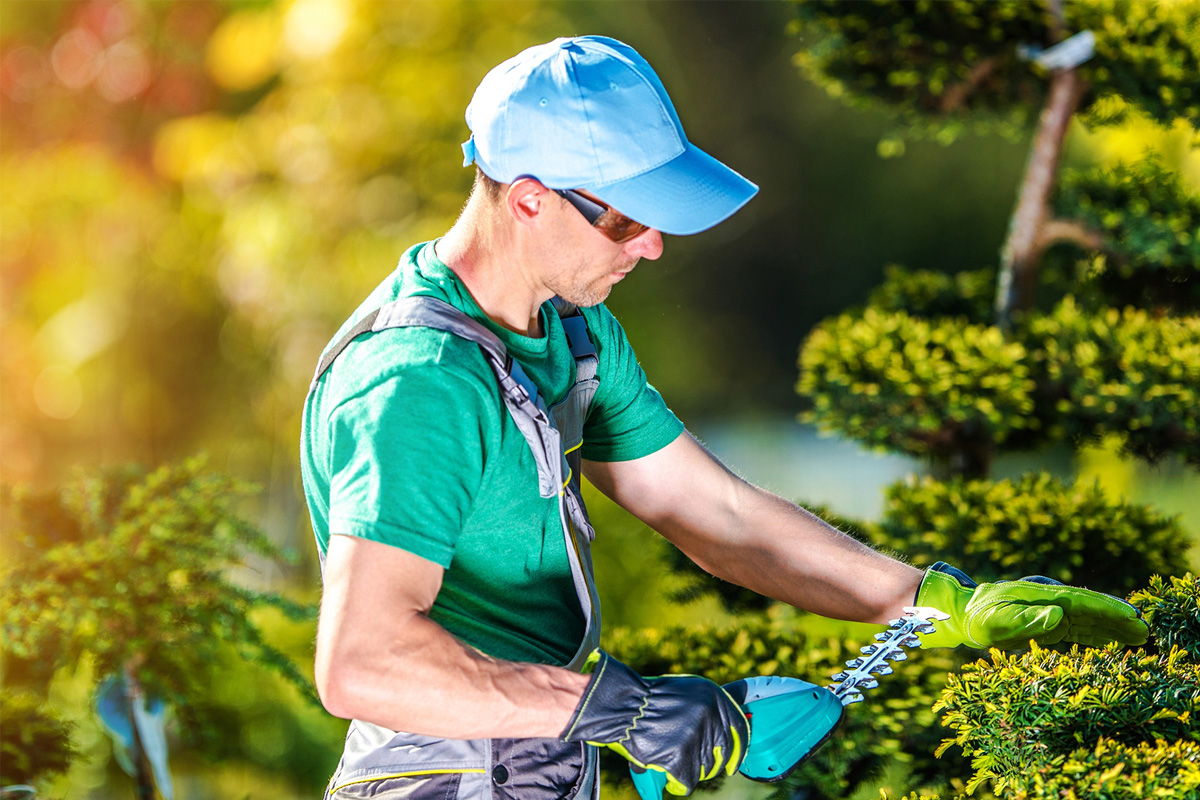
Once you've settled on the type and location of your water feature, it's time for installation—either through professional residential landscaping services or DIY if you're feeling adventurous.
Professional vs DIY Installation
For intricate designs—like aquascaping within ponds—hiring skilled professionals is often advisable due to their expertise in plumbing, filtration systems, and integration with plants.
If opting for DIY installation:
- Research thoroughly before starting. Gather necessary materials ranging from liners for ponds to structural supports for fountains. Follow guidelines closely; incorrect setups could lead to leaks or inefficient operation.
Regardless of approach chosen—professional service or self-installation—the goal remains clear: create an enchanting addition that enhances both beauty and functionality in your residential outdoor spaces.
Maintenance Essentials
With great beauty comes responsibility; maintaining your water feature ensures longevity and optimal enjoyment over time. Regular upkeep not only preserves visual appeal but also plays an important role in health management for aquatic life if present.
Key Maintenance Tasks
Consider these essential maintenance tasks:
- Cleaning: Remove debris regularly to prevent buildup which can lead to algae growth. Water Quality Management: Test pH levels periodically if housing fish; ensure appropriate balance for their health. Plant Care: Trim overgrown aquatic plants occasionally so they do not overpower other species or obstruct views. Seasonal Adjustments: Prepare features for seasonal changes—draining ponds before winter freezes are crucial if fish are involved.
By committing time each season toward care routines tailored to specific features installed at home, homeowners can enjoy beautiful landscapes year-round without unnecessary hassles.
Integrating Hardscaping Elements
To create cohesive residential landscape solutions around water features, consider integrating hardscaping elements such as pathways made from stone or pavers leading up to them. This fosters accessibility while enhancing visual appeal through contrast against softer landscaping elements like shrubs or flowers nearby.
Seating areas adjacent allow family gatherings near natural soundscapes provided by flowing waters—a perfect setting for relaxation after busy days spent indoors!
Designing Around Your Feature
When designing hardscape around water features:
Choose materials that complement existing structures without clashing visually—neutral tones often work best. Create varied textures between hardscape surfaces (e.g., smooth stones vs rough pavers) adding depth throughout spaces utilized by family members frequently. Ensure adequate drainage away from any installed structures preventing future damage caused by pooling rainwater during storms.By thoughtfully merging these components together—hardscaping alongside softscaping—you cultivate an engaging outdoor experience truly reflective of personal style preferences!
Creating Eco-Friendly Landscapes
Modern residential landscaping trends emphasize sustainability alongside beauty across all project stages—from design through implementation down towards ongoing care routines established afterward! Incorporating eco-friendly approaches helps foster healthier ecosystems around properties while minimizing resource consumption over time too!
Sustainable Practices
Consider employing practices such as:
- Rainwater harvesting systems diverting rainfall runoff back into landscapes instead letting it wash away needlessly elsewhere Native plant selections adapted naturally suited local conditions reducing irrigation requirements significantly compared non-native alternatives Incorporating permeable paving solutions allowing groundwater replenishment instead contributing towards stormwater issues exacerbated elsewhere across neighborhoods
By choosing wisely among options available today homeowners contribute positively toward broader environmental goals preserving delicate balances vital sustaining life here on Earth!
The inclusion of water features within residential landscape design offers numerous benefits—from aesthetic enhancement all way improving ecological health surrounding properties themselves! Through careful planning paired thoughtful execution residents elevate their outdoor living experiences transforming yards into inviting sanctuaries enjoyed daily by families friends alike!